Home » News » Company news » Jiangping|Employee health is no small matter! 'Law on the Prevention and Control of Occupational Diseases' Publicity Week Training Live!
Jiangping|Employee health is no small matter! 'Law on the Prevention and Control of Occupational Diseases' Publicity Week Training Live!
Views: 0 Author: Site Editor Publish Time: 2025-04-30 Origin: Site
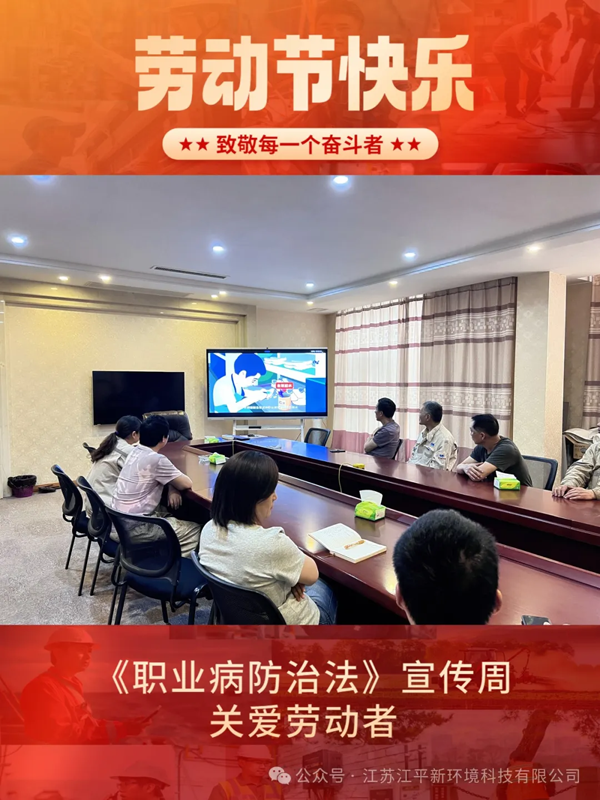
Every concentration in operation and every persistence in front of the equipment are medals for Jiangping people's struggle. But did you know that occupational health not only includes physical protection, but also requires sunshine and nourishment of the soul?
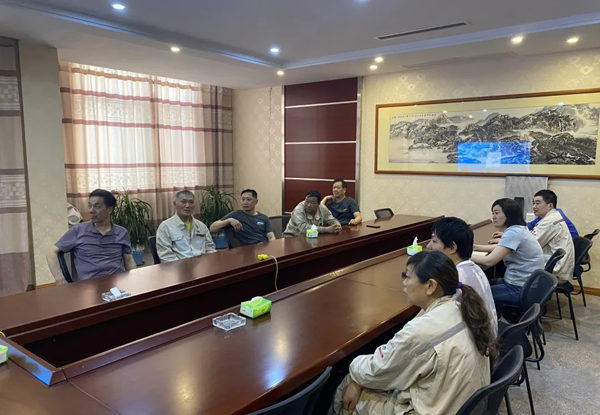
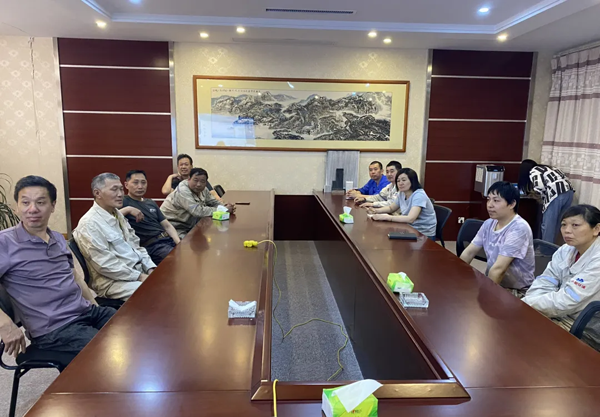
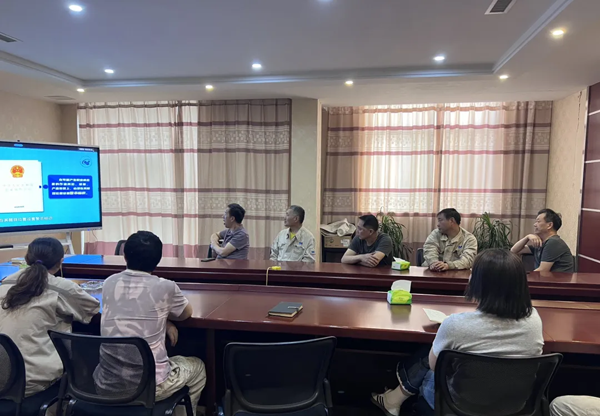
On the occasion of the 23rd Publicity Week of the 'Law on the Prevention and Control of Occupational Diseases', Jiangping Company organized special training for front-line employees. This year we focused on 'occupational mental health' and actively carried out learning activities to build a strong defense line for occupational health.
Popular Science Promotion of the 'Law on the Prevention and Control of Occupational Diseases' - Understanding Occupational Stress
1. What is occupational stress? Occupational stress, also known as occupational stress or work pressure, refers to the psychological and physiological reactions of individuals in the work environment due to the mismatch between work demands and personal abilities, resources or needs. If this reaction persists, it may cause damage to physical and mental health and even lead to psychosomatic diseases.
2. The main psychological reactions of occupational stress: including low mood, anxiety, depression, irritability, inattention, memory loss, etc. Physiological reactions: Such as increased blood pressure, accelerated heart rate, decreased immunity, endocrine system dysfunction, etc. In severe cases, it may cause cardiovascular disease, peptic ulcer, etc. Behavioral reactions: manifested as insomnia, loss of appetite, alcoholism, drug dependence, avoidance of work, low work efficiency, etc.
3. Causes of occupational stress Working environment: Physical environmental factors such as noise, high temperature, poor ventilation, etc. Work content: Including heavy workload, monotonous work, lack of control, unclear work responsibilities, imbalance between effort and reward, etc. Social and economic factors: Such as workplace violence, fierce competition, layoffs, introduction of new technologies, etc.
4. How to deal with occupational stress? Facing problems proactively: Communicate with leaders and colleagues to find solutions. Learn to relax: Relieve stress through muscle relaxation, breathing relaxation, meditation and other methods. Appropriate exercise: Increase physical exercise, strengthen your body, and release stress. Ensure adequate sleep: Reasonably arrange work and rest time to improve sleep quality. Seek professional help: If the stress persists and is severe, you can seek help from a psychological counselor or professional organization.
5. Prevention of occupational stressCorporate responsibility: Enterprises should create a healthy management structure, encourage employees to participate in organizational changes, and reduce occupational stress. Personal Management: Strengthen time management, reasonably arrange work and life, and improve skills to cope with complex tasks. Social support: Establish a good social support network and talk to family and friends in a timely manner when you encounter problems.
Occupational stress is a work-related disease that requires attention. Through active response and prevention, its negative impact on physical and mental health can be effectively reduced. In the future, Jiangping Company will continue to deepen occupational health management, protect the physical and mental health of employees in an all-round way, and inject healthy momentum into the high-quality development of the company.
Jiangping New environment - Focus on global cooling and warming
JPAC is professional Rooftop Air Conditioning Units, Combined AC Unit Manufacturers and suppliers in China, specialized in providing Water Chiller, Multiclone Dust Collector, Baghouse Dust Collector ... To buy or wholesale Rooftop Air Conditioning Units, Combined AC Unit available customized.